


Testing one home
Use a long-term kit to measure radon in your home, or hire a certified tester to set up the measurement and report the results.
Explore home testing
Find a professional to test your property or help lower radon levels.
Search across Canada. Providers quote and book directly with you.
Test for radon or get help with a high reading.
Look for a provider who covers your area.
Contact the business directly about scope and price.
Ask for a written report or a test after installation.
 Homeowners
Plan a test on the lowest level you regularly use.
Plan a home test Renters
Testing your suite? Record the dates and agree with the property manager on who receives the results.
See suite testing guidance Landlords & strata
Arrange access, choose a site contact and define what each resident will receive.
Scope a building test Buyers & sellers
Ask for the test dates and the full-period average if a seller provides a report.
Read a test result Businesses
A measurement professional can help plan which occupied spaces to test.
Find a measurement professional Schools
Use guidance for public buildings when planning a school measurement program.
Read the public-building guideA test measures the radon that can build up indoors.
About radonA long-term measurement captures changes in your home over time.
Compare testing optionsA mitigation professional can assess a high result and plan follow-up testing.
What to do after a high result


Use a long-term kit to measure radon in your home, or hire a certified tester to set up the measurement and report the results.
Explore home testing
Check community programs and mail-order kits. If you’re looking at a borrowed monitor, verify its loan period and whether it will cover a full long-term test.
Find a test kit
Put the unit count, occupied levels and access arrangements together. A certified measurement professional can use that information to design the testing plan.
Explore building testingTest on the lowest level where you regularly spend time. If your basement is only for storage, move up to the next level you use.
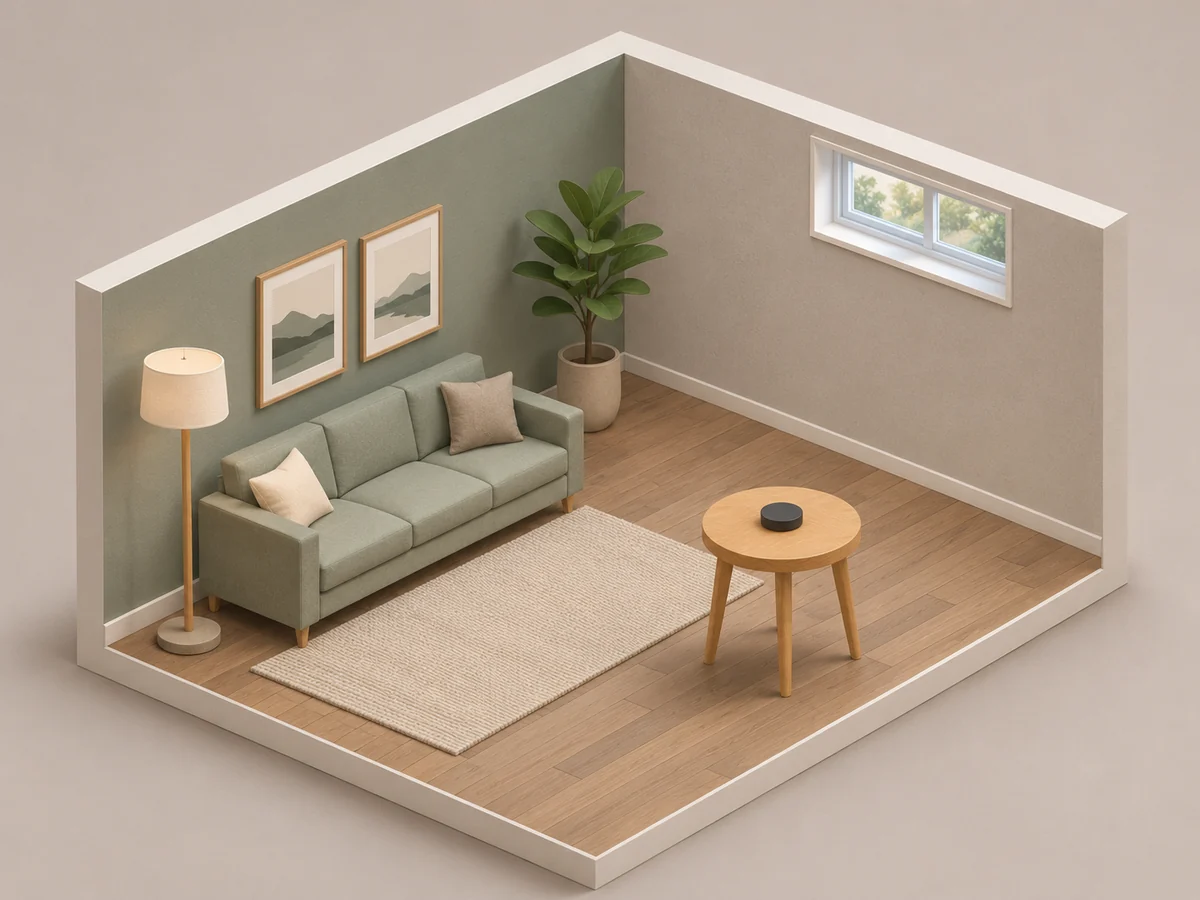
In this finished basement family room, the detector is the small disc on the table.
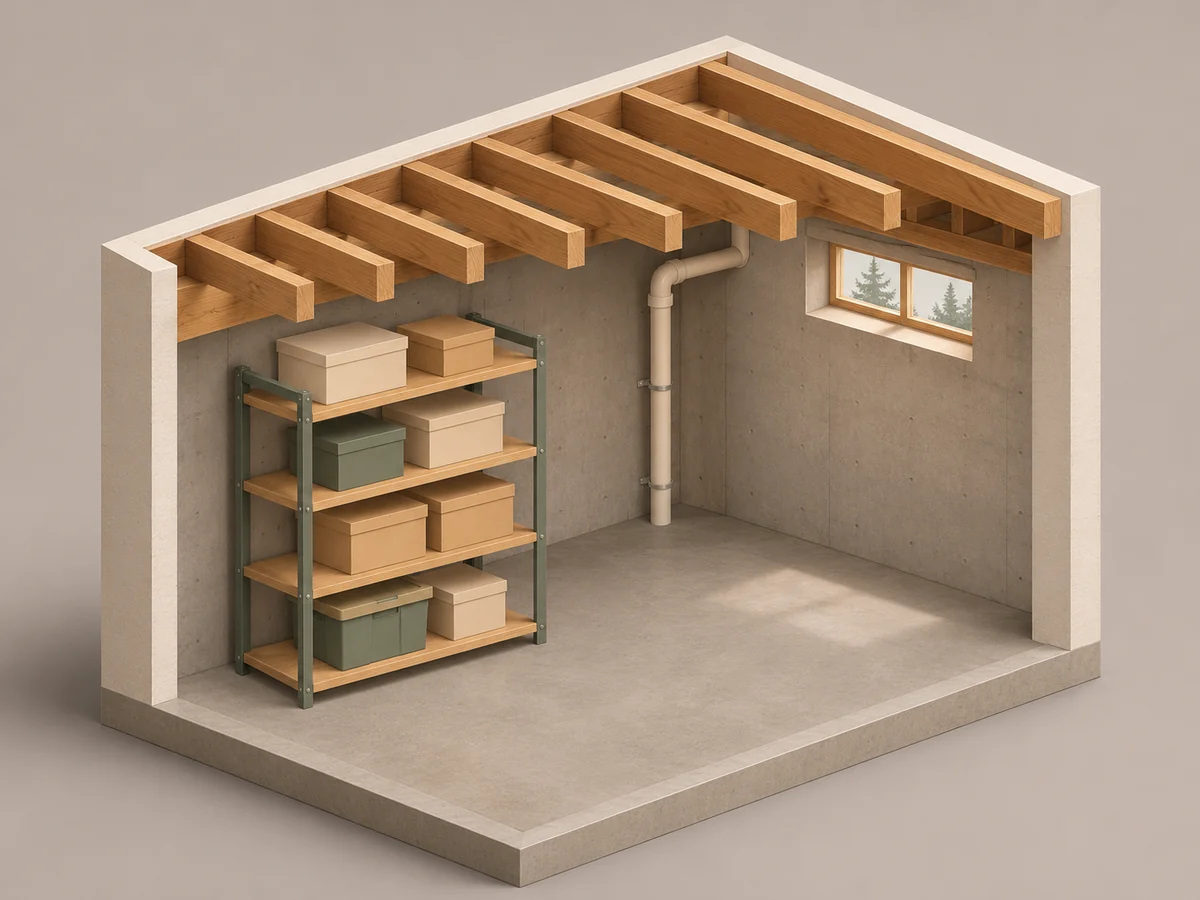
Leave unfinished basements, laundry rooms and closets out of a home test.
Set the detector at breathing height. Keep it away from windows, vents and exterior walls. Follow the device instructions.
Read Health Canada’s placement guide
For one home, a mail-in detector is a straightforward way to get a lab report. An electronic monitor lets you keep taking measurements over time.
Compare the two devicesLook for a measurement professional in your area. Ask who installs the detector, who retrieves it and when you’ll receive the written results.
Find a C-NRPP testerLook for the average over the full measurement period. A monitor may also show today’s reading or a weekly high.
Check what my result means Estimate mitigation costIllustrative values. Use the dates and long-term average from your own report.
Buying a kit, reading a report and arranging a building test each call for a different next step.
Take Action on Radon lists Canadian mail-order and local suppliers. Compare the full price in Canadian dollars, including the detector, lab analysis, delivery and postage back to the lab.
Choose a mail-in kit if you want one lab report for one home. Choose an electronic monitor if you want to follow readings over time and can keep it in place for a full test. Check that the exact monitor model has passed C-NRPP performance testing.
Some public libraries lend monitors. Ask your branch about availability and the loan period. A short loan can give you a first look. Use a representative long-term test before deciding whether your home needs work.
As one regional example, Synergy Radon lists its long-term home test at CA$350 plus tax, with extra detectors in the same dwelling at CA$75 each. Its service includes placement, retrieval, lab handling and an emailed result. Ask your local tester for a written price including travel.
Ask for the name and certification number of the person responsible for your test. Look that person up in the C-NRPP directory under measurement. Confirm that they serve your municipality. For work to reduce an elevated level, look for a mitigation professional.
Tell the tester your municipality, the type of home, how you use the lowest floor and when you can provide access. Ask who installs and collects the detector, what the report covers and how you pay. RadonNext’s planner creates a brief you can download and send directly to a provider.
Choose the lowest floor where someone regularly spends time. A downstairs bedroom or home office can make sense. If the basement is only used to store boxes, use a regularly occupied room on the main floor. Follow the device instructions when choosing the exact spot.
Plan around the months when your household uses heat. A long-term test can start in any month, but aim to include at least 91 days of your heating season. The start and length of the heating season vary by community.
Plan for three to twelve months and at least 91 days during the heating season. Write down the start date, time and room. Before mailing a passive detector, check the supplier’s allowed exposure period and return instructions so the lab can process it.
An overnight peak can prompt you to check the monitor’s settings and how long it has been running. Use the average over the full long-term test to make a mitigation decision. Log the start date and let the test continue if you only have a few days of readings.
Contact a C-NRPP-certified mitigation professional and share the complete report. Health Canada advises taking action to lower radon within one year at 200 Bq/m³ or higher. Keep the test dates and room handy so the professional can review the measurement and discuss options for your home.
Check how many days fell in your heating season. If fewer than 91 did, Health Canada recommends another test during the next heating season. Even after a representative lower result, plan to test again after changes such as a basement conversion or ventilation upgrade.
You can use home testing guidance for an individual suite. Record the room, dates and long-term average, and keep a copy of the report. If you need the landlord to consider follow-up, send the report with a written request.
For a whole-building assessment, Health Canada calls for measurements in each ground-contact dwelling, including units over a garage or crawlspace, and consideration of a sample on upper floors. Give a measurement professional the floor plans and ask them to mark proposed locations and explain the count.
Ask for a device count, the proposed units, visit dates, resident notice and a price for missed access or lost devices. Agree who receives individual reports and what council receives. Give each bidder the same building details so council can see what explains any difference in price.