
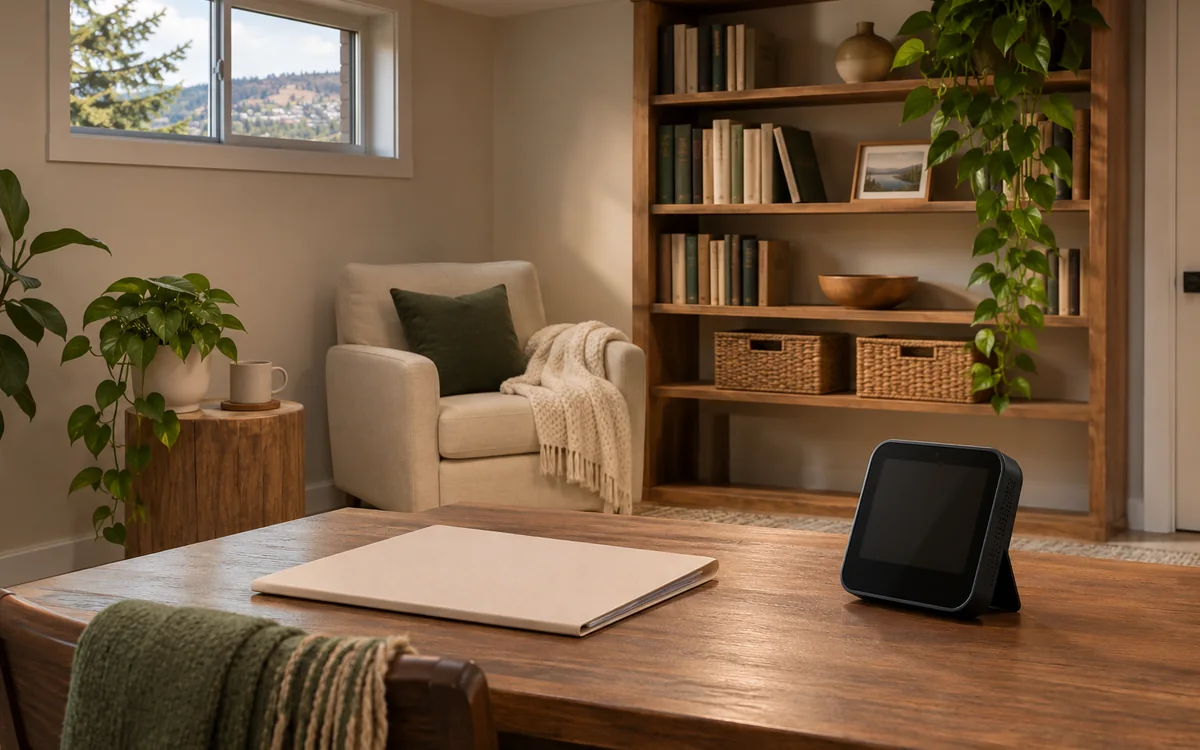
Check the result you are acting on
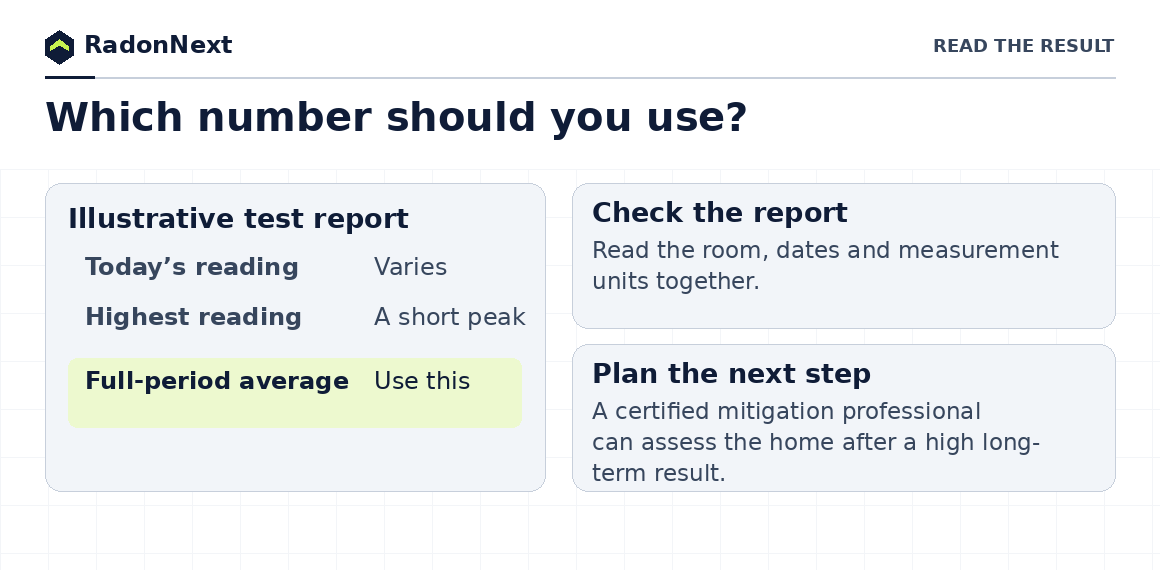
Look at the average for the full measurement period. Save the room, dates and unit of measurement with the number. A short reading from a loaned monitor is a screening result. It helps you decide whether to arrange a long-term test in a representative living area. The local survey describes homes in a reporting area. It cannot tell you the level in yours.
When should I speak to an installer?
Health Canada recommends corrective action within one year when a representative long-term result exceeds 200 Bq/m³, with sooner action at higher concentrations. Ask a C-NRPP mitigation professional for an assessment. Share the foundation type, additions, any visible rough-in, and whether the lowest occupied level is finished. Those details help the provider decide what to inspect and price.
Get a written price for your municipality
Ask which area the system serves, what it costs to reach your property, and whether pipe routing or finishing work is included. A broad Okanagan or provincial advertisement gives orientation. Your quote needs to state what it covers at your address. Ask who pays for verification and what happens if a follow-up test still exceeds the agreed level.
Example of what to send a contractor
Send a short note that includes your municipality, the room and test dates, whether the basement is finished, and whether there is a crawlspace or addition. Attach the long-term report directly to the installer if requested. Ask for an assessment, an itemized price and a verification plan. This gives you something concrete to compare if you request a second proposal.